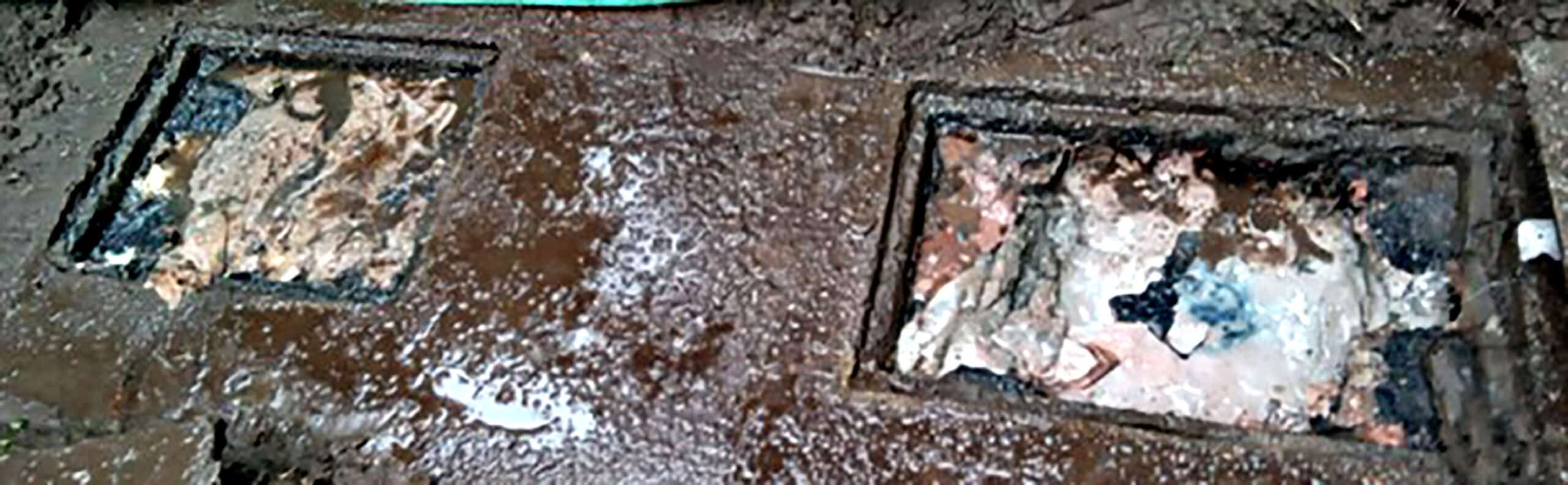
Trees add beauty and shade to our surroundings, but their hidden roots can cause serious issues for septic systems. Homeowners need to understand how tree roots affect these systems to avoid expensive repairs and keep their environment healthy.
Recap: What is a Septic System?
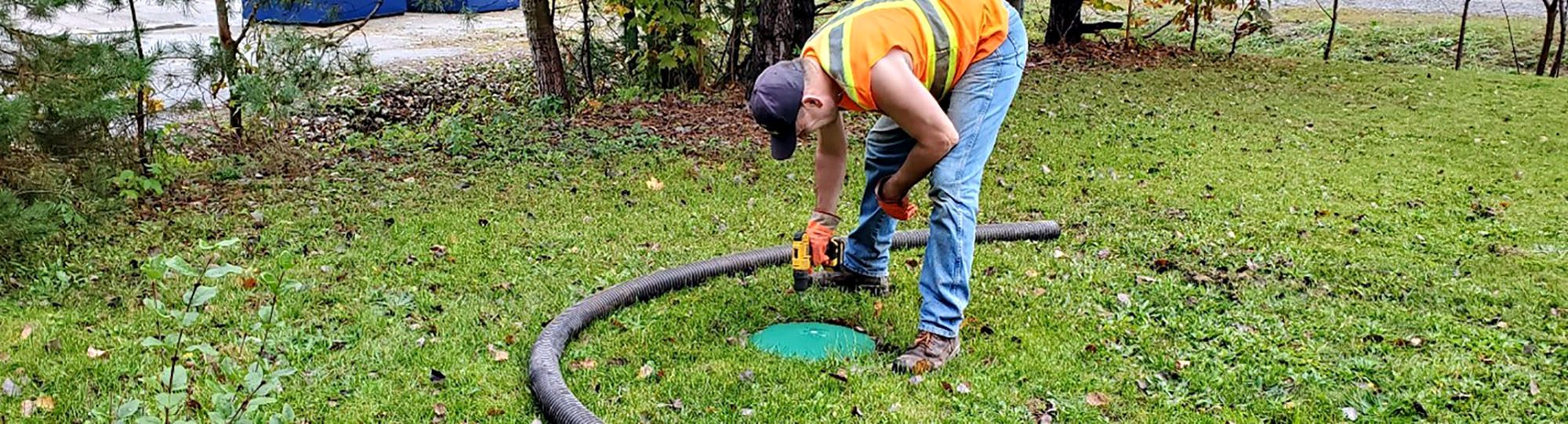
A septic system is an underground setup that treats waste, mainly found in areas without city sewer systems. It usually includes a septic tank and a drain field. The tank breaks down waste and separates solids and liquid. The liquid, called effluent, then flows into the drain field, where the soil helps treat it naturally.
How Tree Roots Cause Problems
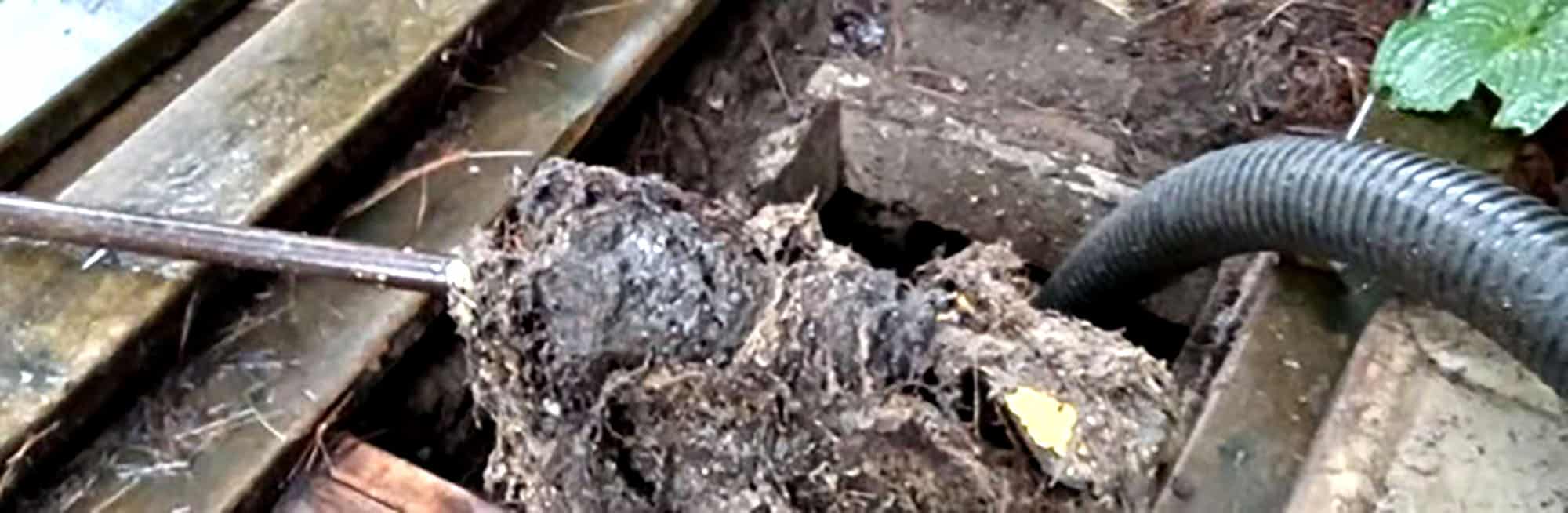
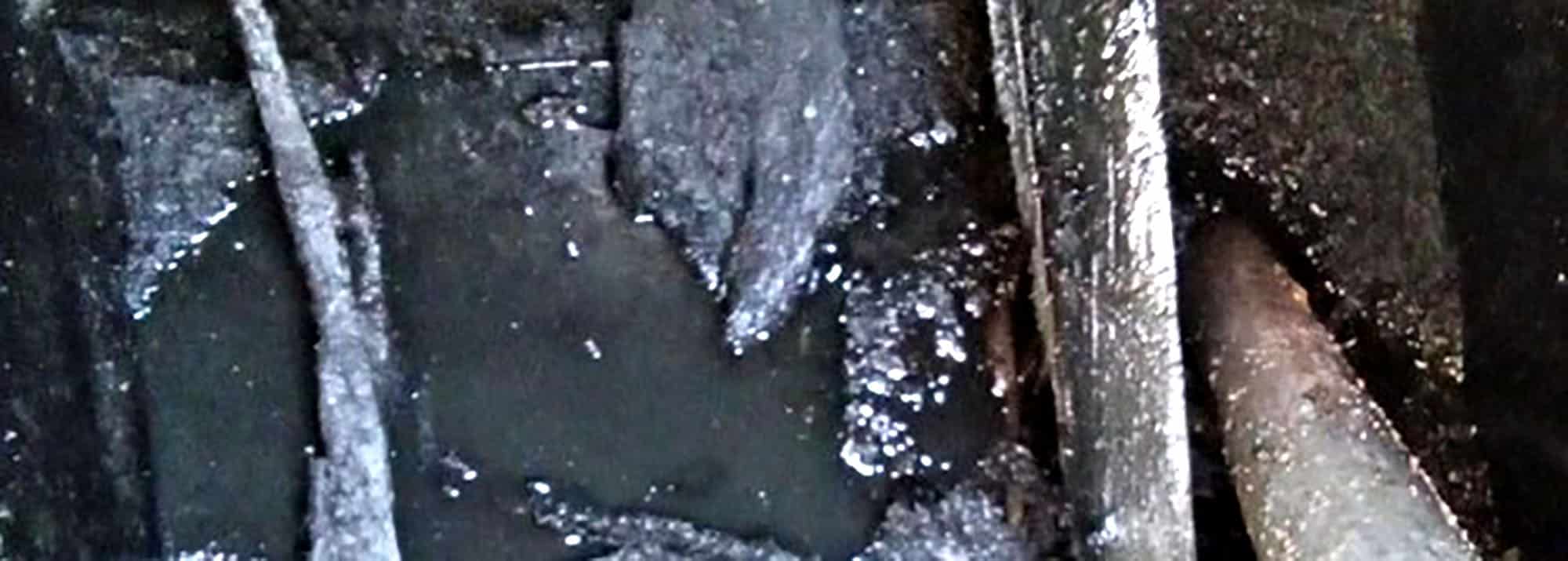
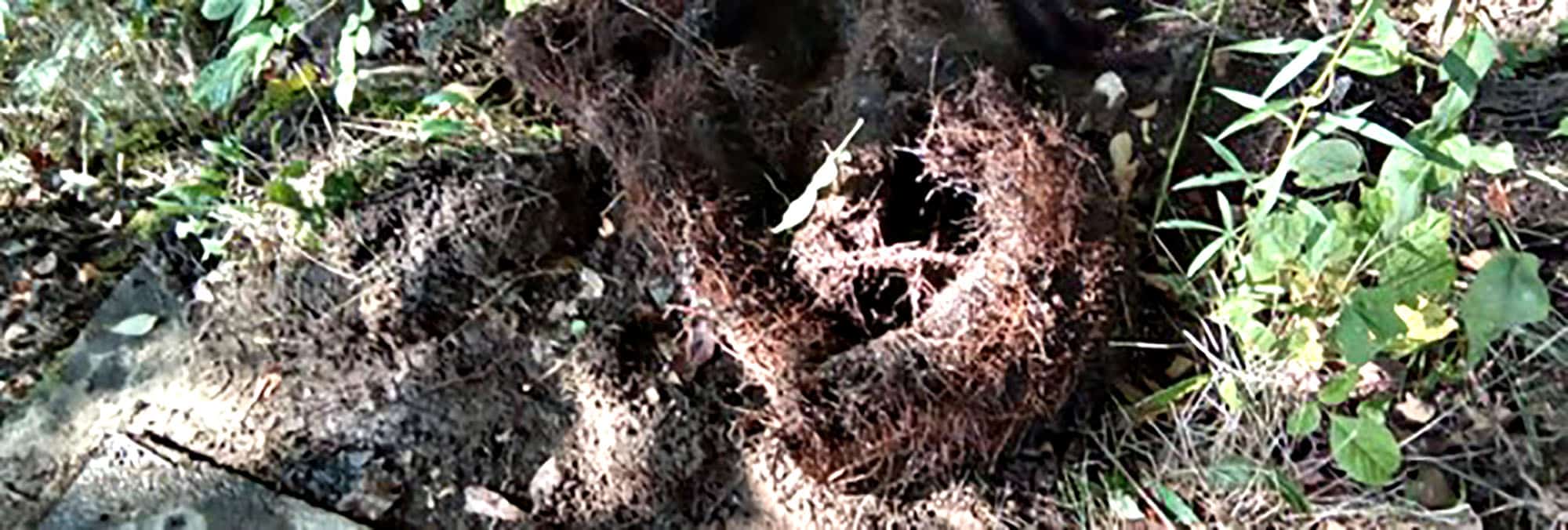
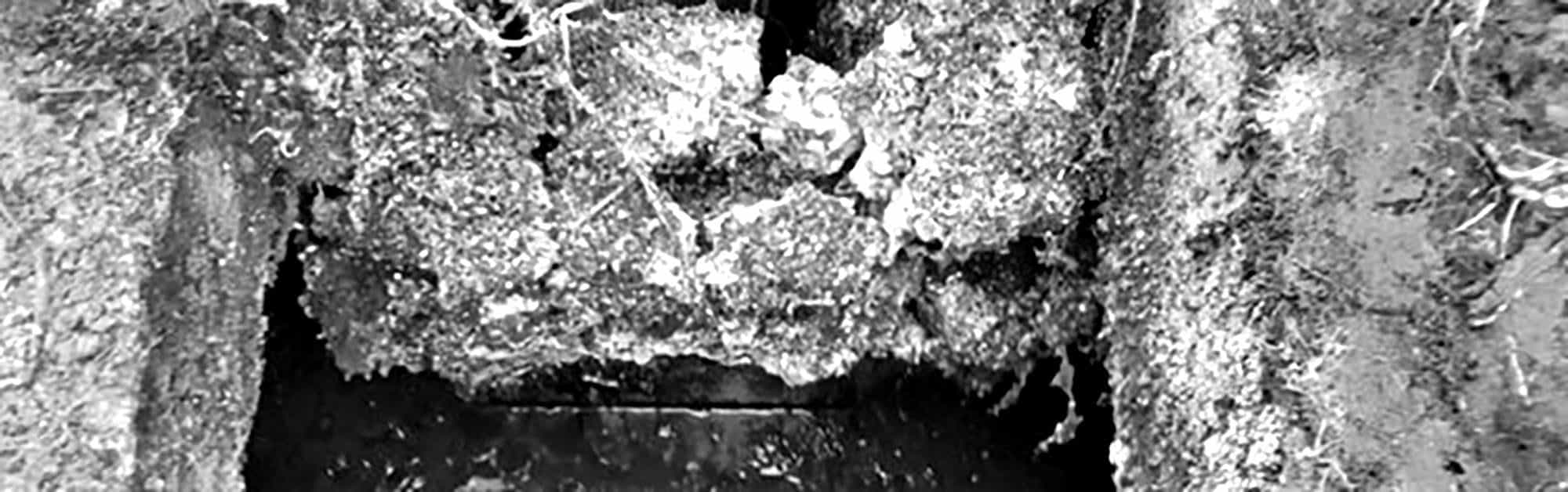
Tree roots are drawn to moisture and nutrients, which can lead them to septic systems and create several issues. They can cause blockages by entering cracks in pipes, resulting in clogs that hinder drainage. As roots grow, they can exert pressure on the pipes, potentially causing them to break. In the drain field, roots may compact the soil, making it difficult for it to absorb wastewater, which can result in system failure. Additionally, over time, roots could damage the septic tank, particularly if it’s made of concrete, leading to cracks or even collapse.
Spotting Tree Root Issues
Homeowners should be aware of potential tree root issues in their septic systems by looking for certain signs. These include slow drains in sinks or toilets, which could indicate a blockage; foul odors around the drains or the septic tank; overly green areas of grass that may suggest a leak attracting roots; and puddles in the yard, particularly when there hasn’t been any rain, which could mean the drain field is compromised.
Preventing Tree Root Issues
Preventing root problems is simpler than trying to fix them later. To start, plant trees wisely by keeping them at least as far away from the septic system as their expected height. For instance, if a tree grows to 30 feet, it should be planted a minimum of 30 feet away. It’s also important to select suitable trees with non-aggressive root systems, steering clear of species like willows or maples. Instead, consider planting trees such as dogwoods or Japanese maples.
Additionally, using root barriers can be an effective measure to stop roots from reaching the septic system. These barriers, made from materials like plastic or metal, should be installed vertically underground. Regular check-ups and maintenance are essential for early detection of issues, including routine pumping of the septic tank and monitoring the drain field. Lastly, controlling moisture around the septic area is crucial; proper drainage and grading can help prevent roots from being attracted to the system.
Dealing with Root Intrusions
If roots get into the septic system, you might need a professional. Plumbers have special tools to clear roots, but this fix doesn’t last long since roots can grow back. There are also chemical treatments that can kill roots in the pipes without hurting the tree, but it’s best to talk to a professional first to avoid harming the environment. If the damage is serious, you might need to replace the pipes with newer materials like PVC, which are better at keeping roots out than older pipes.
Conclusion
Tree roots can be a major threat to septic systems, but with careful planning and maintenance, these problems can be avoided. By understanding these risks and taking preventative measures, homeowners can enjoy their trees while keeping their septic systems functioning well. Investing in proper landscaping and regular upkeep will help protect your property’s health and value.